
What Records Do You Need to Keep for Self Assessment?

Once you are registered for Self Assessment, the next question we hear most often is simple: what exactly am I supposed to keep track of?

It is a fair question, and getting organised now, rather than trying to find everything in January, can make the whole process much less stressful.

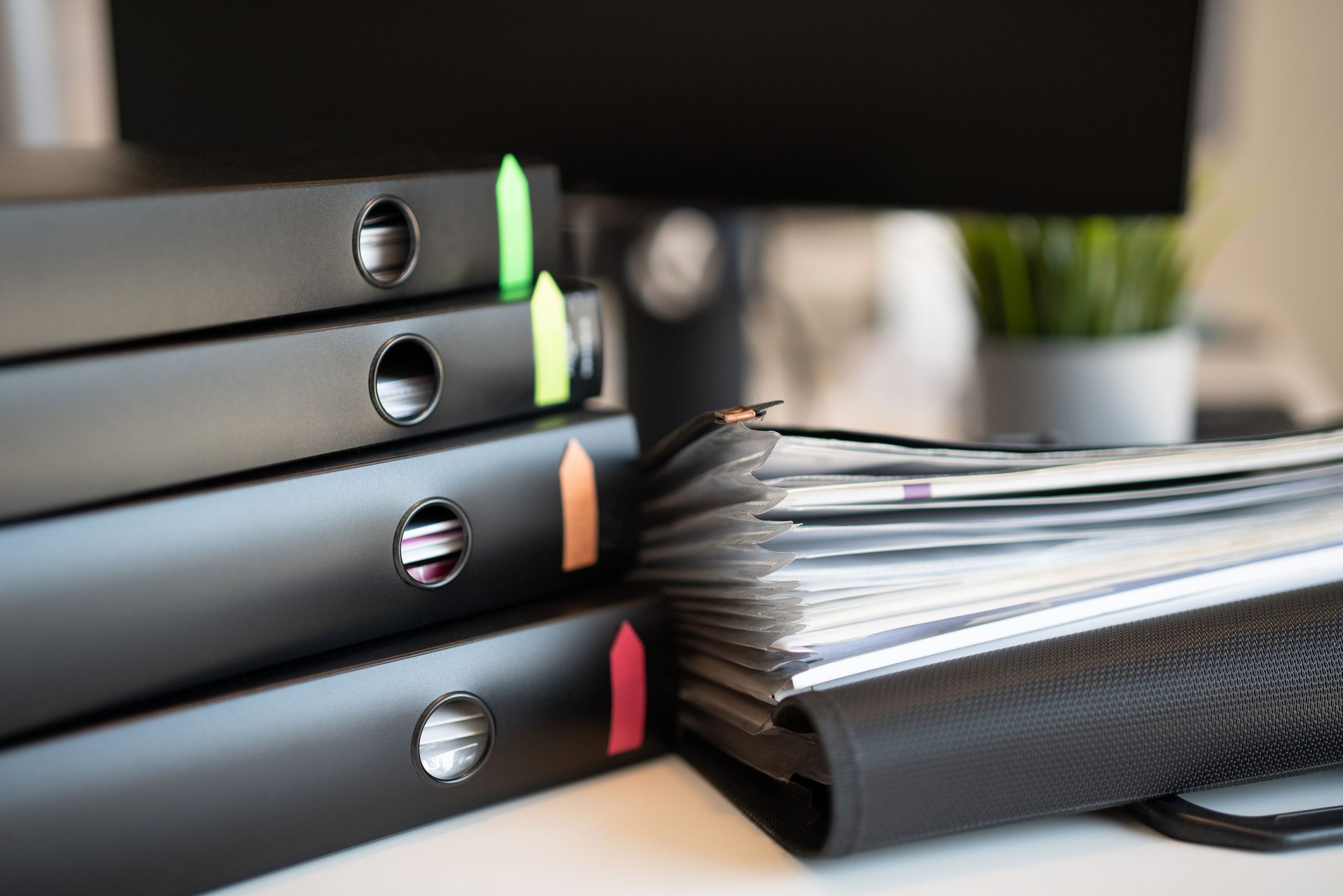
Stack of colorful ring binders and documents on a modern office desk setting.

What records do you need to keep?

If you are self-employed, HMRC expects you to keep accurate records of your business income and expenses. In practice, this usually means keeping:

  • Records of all sales and income, including invoices and payments received
  • Receipts and invoices for business expenses, such as stock, equipment, travel and software
  • Bank or credit card statements used for business transactions
  • A mileage log if you use a vehicle for business journeys
  • Records of business assets you buy or sell

You do not need a complicated system to manage this. You can use a spreadsheet, a dedicated business bank account or bookkeeping software. The important thing is that your records are accurate, complete and kept up to date

How long do you need to keep your records?

Close-up of stacked binders filled with documents for office or educational use.For most self-employed people, HMRC requires you to keep your records for at least five years after the 31 January submission deadline for the relevant tax year.

For the 2025/26 tax year, that means keeping your records until at least 31 January 2032.

It may feel like a long time, but good record keeping means you have the information available if HMRC ever needs to check your tax return

Why does good record keeping matter?

Good records are not just about staying compliant. They help you:

  • Work out your profit accurately
  • Identify legitimate business expenses
  • Support the figures you report on your tax return
  • See how your business is performing
  • Avoid a stressful rush when your tax return is due

Trying to remember a whole year’s worth of income and expenses in January is much harder than keeping things organised as you go.

A simple way to start

If your records are not organised yet, you do not need to panic or create a complicated system overnight.

Start from today.

Choose a simple system, whether that is a spreadsheet or bookkeeping software, and get into the habit of updating it weekly or monthly. Then work through the months you have already missed and gather what records you can.

A little organisation throughout the year can make a big difference when it comes to your Self Assessment.

Not Sure Your Records Are in Order?

Getting your records organised now can make January far easier than trying to catch up at the last minute.

If you are not sure what you should be keeping or how to organise your records, get in touch with the Pro Tax Plus Lewisham team for a free, no-obligation consultation.

We can help you set up a simple system that works for your business.

Don’t miss our accounting tips & news!

We don’t spam! Read more in our privacy policy

LET’S KEEP IN TOUCH!

We’d love to keep you updated with our latest news and offers 😎

We don’t spam! Read our privacy policy for more info.

Leave a Comment

Your email address will not be published. Required fields are marked *

Scroll to Top